
What is your research area?
Together with other researchers in our group, I study how nature, health and sustainability can be integrated into general practice, and how community-oriented urban design can promote well-being and health and contribute to greater health equity.
Why is this important?
An increasing number of people experience reduced mental well-being. Medical treatment helps many, but not all. At the same time, medicines account for a relatively large environmental footprint within the healthcare system. Therefore, there is a need for alternative and complementary approaches that are accessible to everyone. In this context, nature-based health interventions and a focus on everyday life may play an important role. In addition, global climate change necessitates a more systematic integration of sustainability into healthcare.
How can nature influence health?
Research and theory linking nature and health suggest that exposure to nature may particularly benefit mental health. It can reduce stress, foster calmness and support psychological recovery. In addition, nature encourages physical activity. Nature-based activities are accessible to most people and can be integrated into daily life, for example through social communities. However, more and more people are living increasingly detached from nature. It is important to investigate how the relationship between nature and health can be more systematically integrated into healthcare, so that we understand which interventions are most effective, how they can be organised, and how they can be included in preventive efforts and treatment — also in general practice.
What role does general practice play?
General practice has a central role as the citizens’ primary entry point to the healthcare system. This provides opportunities for early detection, prevention and follow-up of mental, physical and social problems. At the same time, policymakers increasingly view general practice as a key actor in healthcare, giving it significant strategic importance in shaping a more sustainable healthcare system.
How can this create change?
Creating change is challenging and takes time. To ensure an evidence-based and structured approach, we draw on existing knowledge of behavioural and change processes, including the I-Change Model, a theoretical framework for understanding and promoting health behaviour change. We also use the framework developed by the UK Medical Research Council, which describes how complex health interventions can be developed, tested and implemented. The aim is to ensure that interventions are feasible, effective and adapted to their context. By combining theoretical knowledge with a systematic methodological approach, we can examine how to achieve sustainable and measurable health improvements.
What is your key message?
“Green” approaches may provide a unifying pathway to better health. Whether working with nature-based health interventions, sustainability in general practice, or health promotion and prevention through urban design, the focus is on bringing nature, health and everyday life closer together. If done thoughtfully and systematically, we can create solutions that can enhance well-being, prevent disease and contribute to a more sustainable healthcare system, thereby making a positive difference for a broader population.
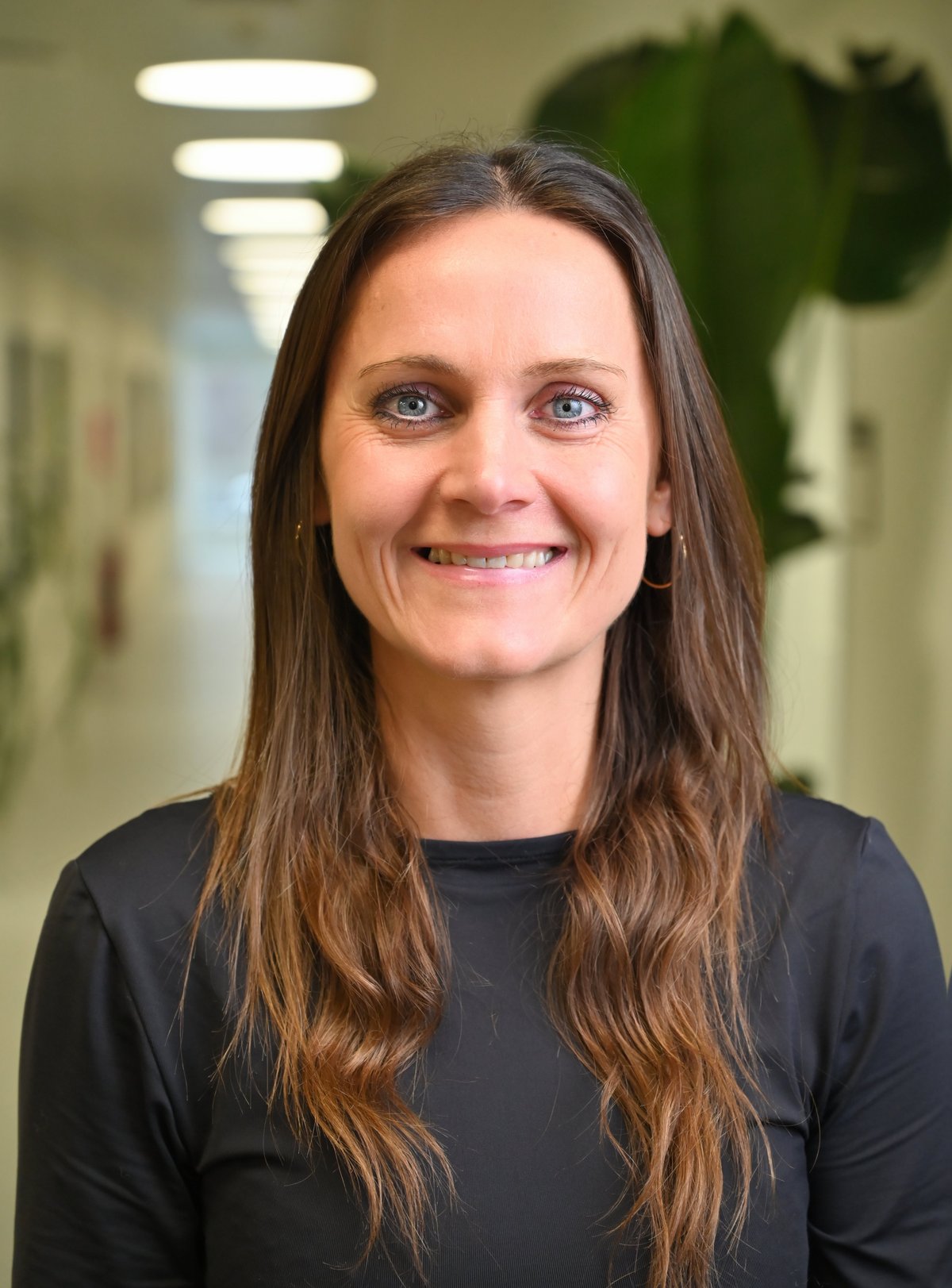
Nanna Holt Jessen is an MD and PhD from Aarhus University. She is a senior researcher at the Research Unit for General Practice, where she is head of the Green Care research group. The group investigates how nature-based health interventions and sustainability can be integrated into general practice, and how links between health and urban design may help promote health equity. The aim is to develop solutions that enhance people’s health and well-being while reducing environmental impact. Photo: Halfdan Thorsø Skjerning